Traditional Winter Coat Refresh Methods
Preserve the integrity of your winter garments using time-honored techniques passed down through generations. Discover the art of maintaining your coats with natural, sustainable methods.
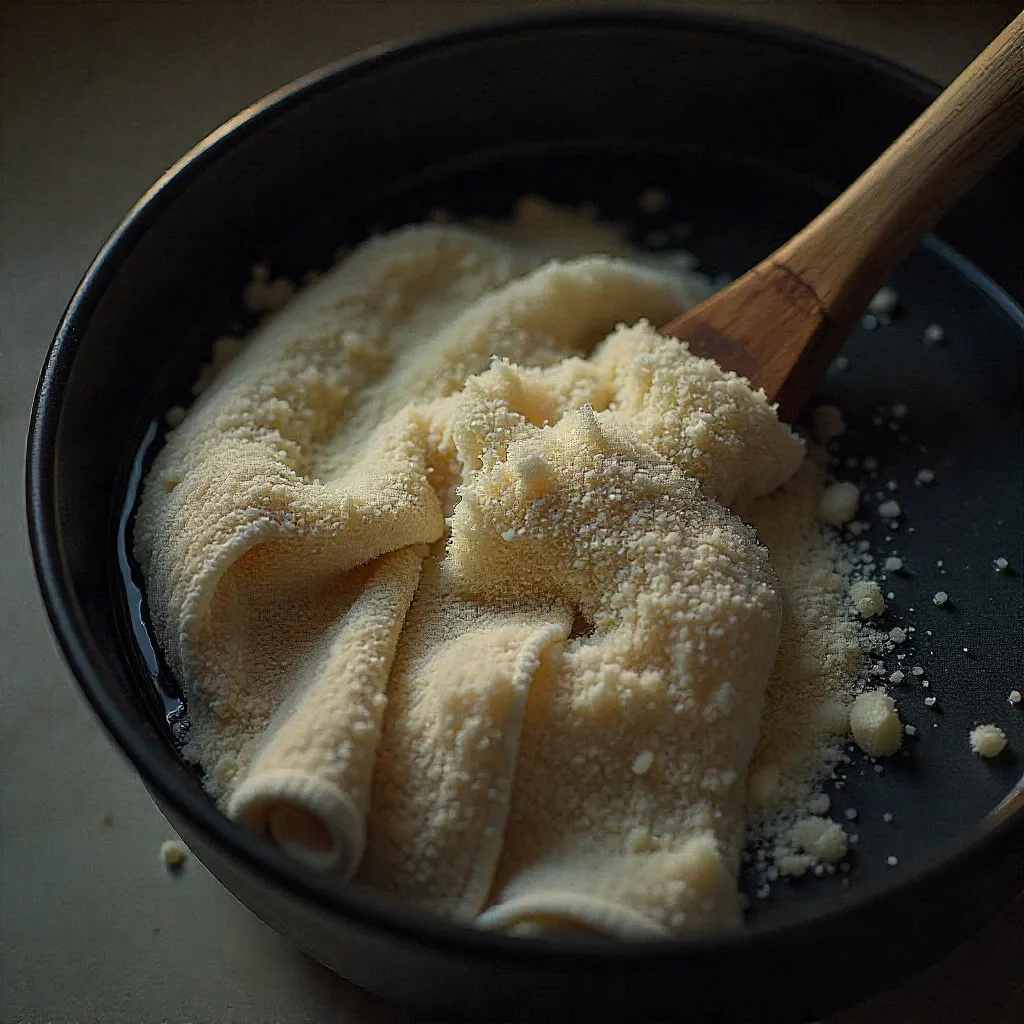
The Heritage of Winter Garment Care
For centuries, communities in cold climates have developed sophisticated methods to maintain their winter coats without compromising the natural fibers. These traditional approaches respect the material's inherent properties while ensuring longevity and performance.
Modern synthetic cleaning methods can degrade natural materials over time. Traditional techniques work in harmony with the fabric, preserving its structure and insulating capabilities for decades of use.
Essential Refresh Techniques

Air Circulation Method
Proper air circulation removes moisture and allows natural fibers to breathe. This technique prevents odor buildup and maintains the coat's structural integrity without chemical intervention.
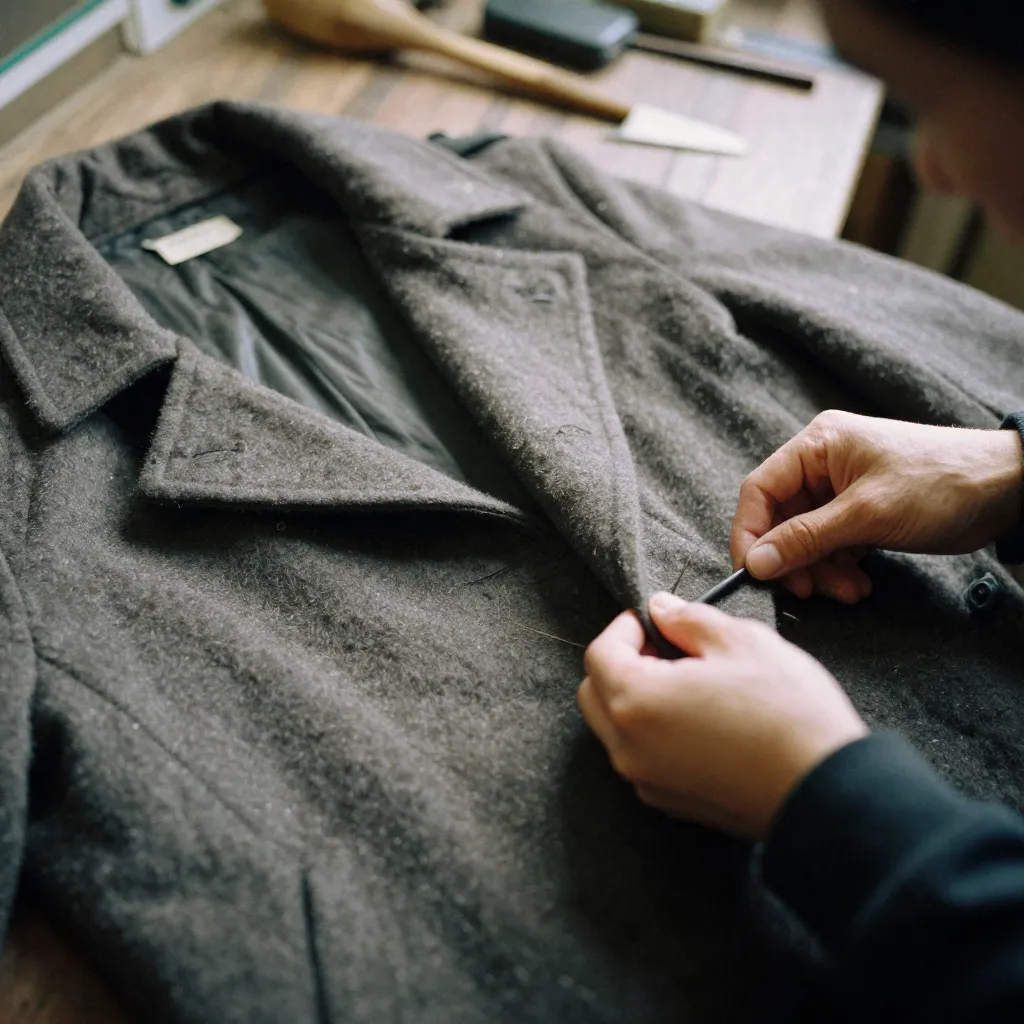
Natural Fiber Maintenance
Understanding the specific needs of wool, down, and other natural materials is crucial. Each fiber type requires a tailored approach to maintain its unique properties and performance characteristics.

Temperature Control
Controlled temperature environments play a vital role in preserving winter garments. Extreme heat or cold can damage natural fibers, making proper storage essential for longevity.
Time-Tested Practices
Historical Context
Traditional methods emerged from necessity in regions where harsh winters demanded durable, well-maintained outerwear. These practices evolved through generations of practical experience and observation.
Communities developed local variations based on available resources, climate conditions, and specific garment types. This regional diversity created a rich tapestry of maintenance knowledge.

Understanding Your Materials
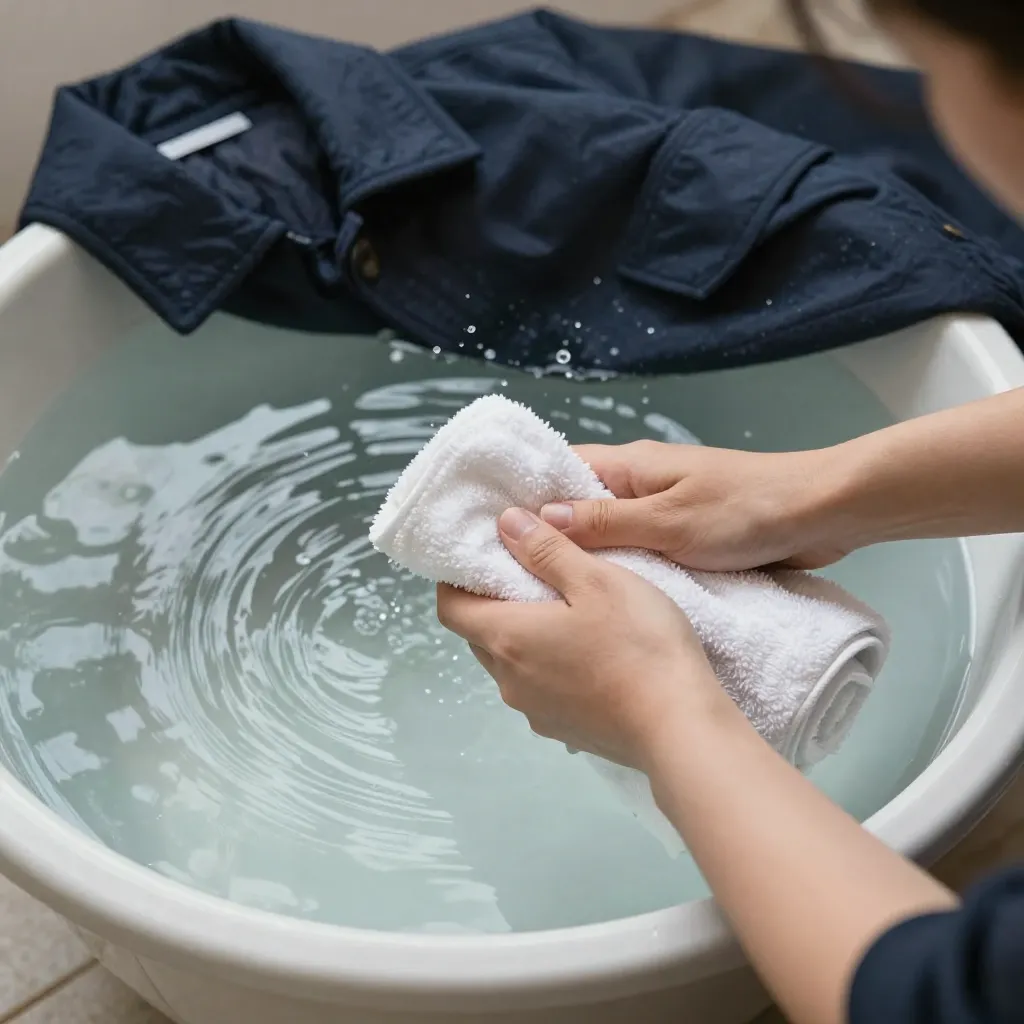
Wool Characteristics
Wool fibers have natural crimp and elasticity. Traditional methods preserve these properties by avoiding harsh treatments that can flatten or damage the fiber structure.
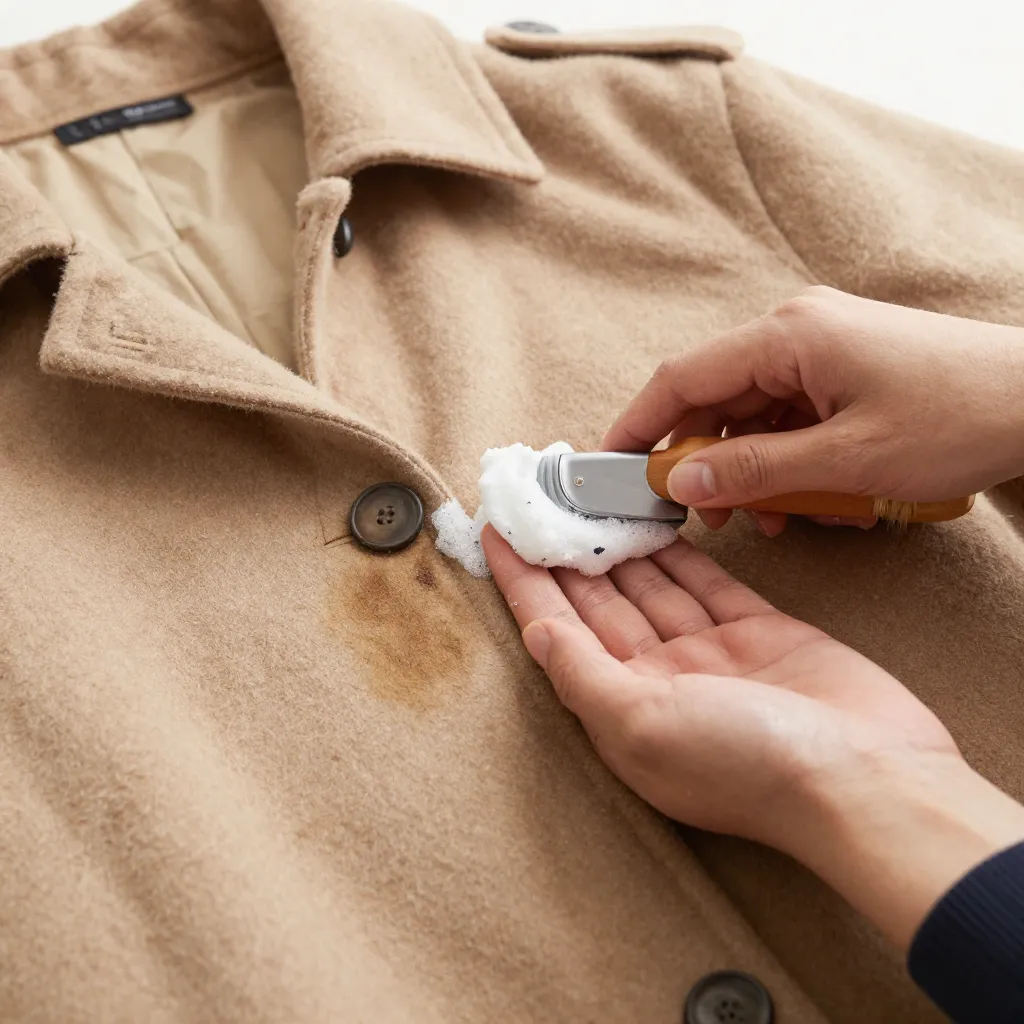
Down Insulation
Down requires gentle handling to maintain its loft and insulating properties. Traditional airing and fluffing techniques help restore natural volume without compression damage.

Fabric Preservation
Natural fabrics respond well to traditional care methods that respect their organic structure. These approaches maintain breathability and moisture-wicking properties.
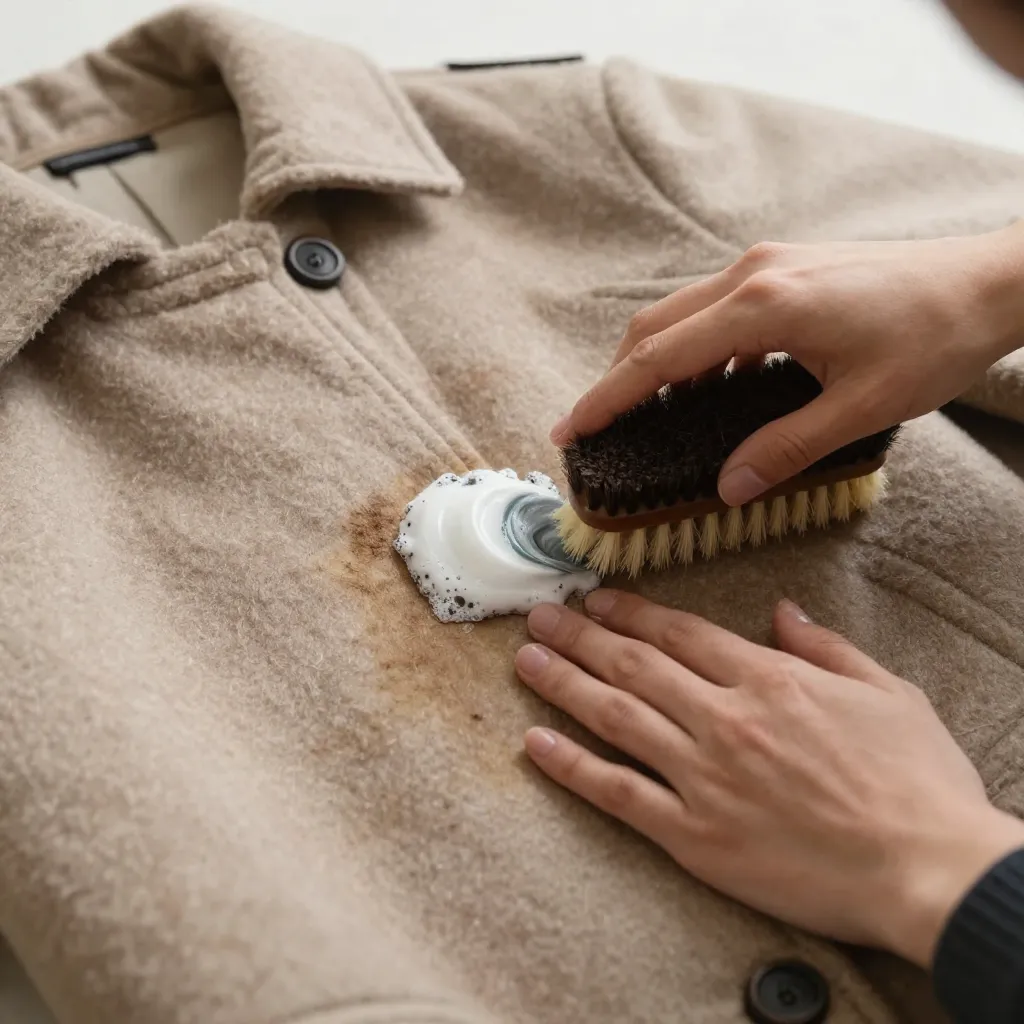
Sustainable Approach
Traditional methods align with sustainable practices by minimizing chemical use and extending garment lifespan. This reduces environmental impact while maintaining quality.
Practical Implementation
Applying traditional refresh methods requires understanding the specific needs of your garment. Different materials and construction methods respond differently to various techniques.
Begin by identifying your coat's primary materials and construction. This knowledge guides the selection of appropriate refresh methods that will maintain the garment's performance characteristics.
Seasonal Maintenance Cycles
Pre-Season Preparation
Before winter begins, inspect your coat for any areas requiring attention. Traditional methods recommend airing the garment thoroughly and checking for any necessary repairs or adjustments.
This proactive approach ensures your coat is ready for the season ahead, maintaining its protective capabilities throughout months of use.
Post-Season Care
After winter ends, proper storage preparation is essential. Traditional techniques involve thorough airing, gentle cleaning if needed, and storage in appropriate conditions that preserve the garment's structure.
This careful end-of-season maintenance ensures your coat remains in excellent condition for years of reliable service.
Regional Method Variations
Different cold-climate regions developed unique approaches to winter coat maintenance based on local conditions and available resources. These regional variations offer valuable insights into adaptable care techniques.
From Nordic air-drying methods to mountain-region storage techniques, traditional knowledge reflects the wisdom of generations who depended on their winter garments for survival and comfort.
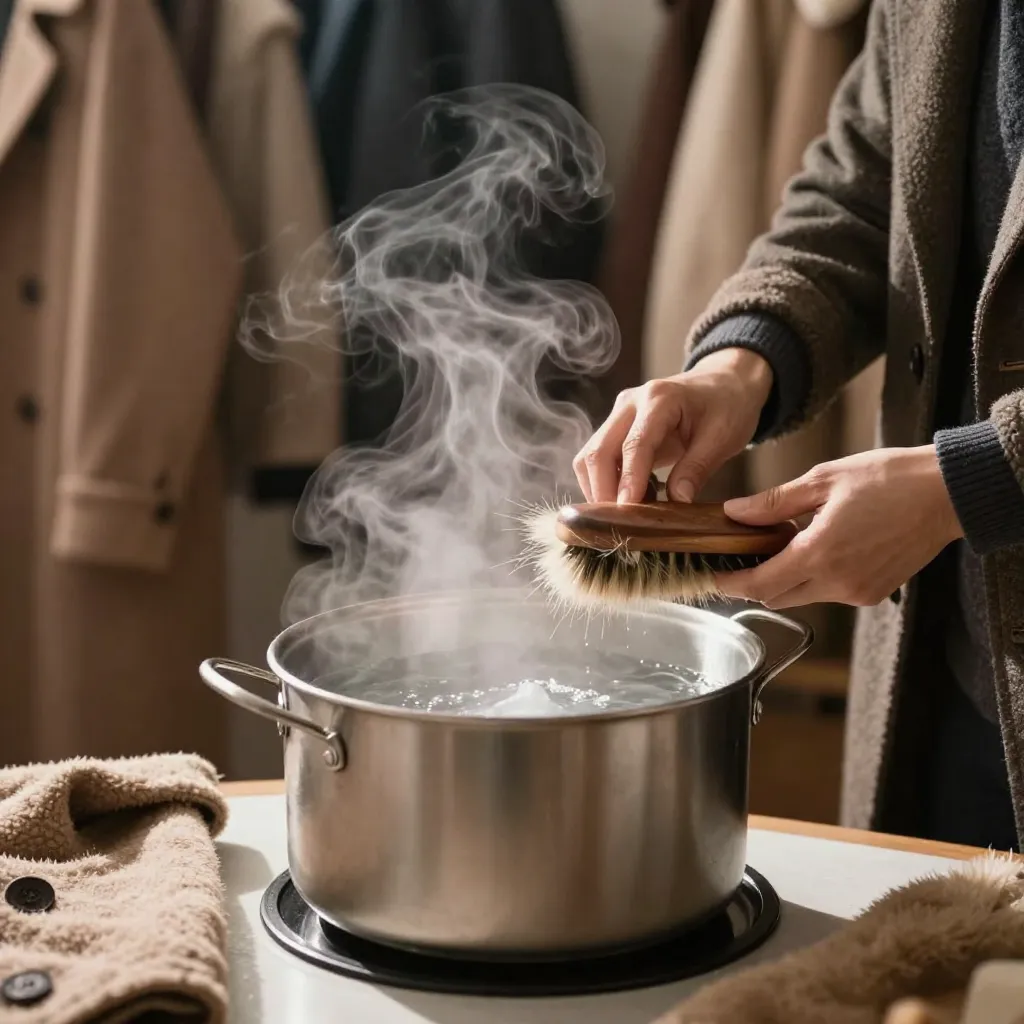
Integrating Tradition with Modern Understanding
Contemporary understanding of material science validates many traditional practices. Modern research confirms that gentle, natural methods preserve fiber integrity better than aggressive chemical treatments.
By combining traditional wisdom with current knowledge, we can maintain winter garments effectively while respecting both the materials and the environment. This integrated approach offers the best of both worlds.